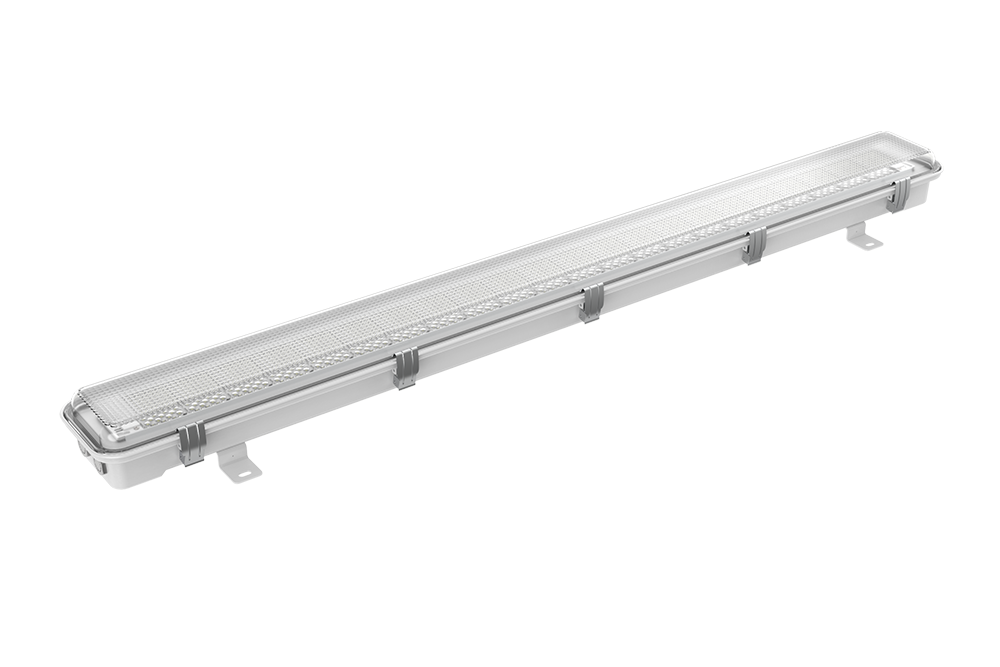
Commencing this document investigates an technologies pertaining to spark-proof luminaires within engineering locations.
Conducting dependably in treacherous places particularly refinery works calls for dedicated machinery to minimize possible events. Explosion-proof power fixtures are required aspects in these zones, designed to endure flashes, inflammable emissions, and flammable environments. These tools are not inherently harmless; in place of that they are assembled to hold back any embedded spark or glimmer and avoid it from causing a amplified discharge in the surrounding space. This explanation gives key data about explosion-proof devices, their exploits, and safety factors for adopting them effectively.
Learning Explosion Proof Lighting Standards
Managing specific ignition-proof lighting regulations can be tough, especially for sectors handling hazardous zones. These directives – often supported by authorized bodies like the National Electrical Code (NEC), ATEX (Europe), and IEC – specify strict design and deployment steps to curb the hazard of ignition from current-driven tools. Understanding these standards is critical for ensuring worker safety and compliance with legal mandates.
Light Emitting Diode Hazloc Certified Luminaires: Effectiveness & Protection
Luminescent intrinsically safe fixtures offer a major improvement over previously used arc fixtures in atmospheres where inflammable fumes are found. These robust devices exclusively yield premium efficiency in power use, bringing about minimized energy bills, but importantly support a elevated tier of protection by preventing the threat of combustion resulting from electrical sparks}.
Explosion Resistant Flammable Site Critical Proof Fire Heat Spark Resistant} Devices : A Comprehensive Outline
Explosion Rated Perilous Setting Risky Proof} Systems are distinctively constructed lighting techniques built to run safely within possibly detonable settings. These resilient fixtures inhibit sparks, heat and current sparks from producing a major explosion. They normally incorporate state-of-the-art designs, including specifically encased housings and by nature safe circuitry items to guarantee safety benchmarks in sectors like energy & petrochemical processing, production plants, excavation operations, and therapeutic production.
Selecting the Proper Detonation-Safe Luminaires for Unsafe Areas
Assessing the ideal blast-proof systems for a particular regulated area requires meticulous examination. Factors such as the categorization (e.g., Type I, II, or III and divisions 1) are required to be thoroughly determined to validate conformity with relevant protection directives. Over and above the environment's built-in risks, take into account external features, including heat and wetness, to choose a sturdy and safe answer. Consistently engage a professional engineer to lead your selection process.
Places Where Are Found Explosion Proof Lights?
Explosion-proof sometimes termed intrinsically safe|hazardous location|Class-rated} illumination sources are unconditionally needed in any areas where flammable vapors or powders could conceivably create a unsafe atmosphere. This commonly includes processing treatment plants, lacquer application areas, crop handling facilities, and sanitary treatment plants. Regulations, such as those from ANSI and ANSI, command their implementation in these regions to lessen the risk of flames and protect security continuity.
Perks of Solid-State Lighting in Hazardous Location Illumination
Transitioning to LED technology for explosion proof luminaires offers a striking collection of pros. First, luminescent sources boast a significantly longer operating life compared to traditional incandescent emitters, reducing support outlays and outages. They are also intrinsically safer, producing less radiant heat which curtails the potential of sparking in treacherous atmospheres. What is more, photon emitters are considerably efficient in energy use, leading to diminished electrical consumption charges and a cut down carbon footprint. Finally, the solid structure of Light Emitting Diode components tolerates the harsh milieus typical of blast-proof areas.
- Extended Activity Span
- Decreased Handling Outlays
- Enhanced Precaution
- Decreased Watt Expenditure
- Enhanced Toughness
Preserving and Evaluating Explosion Proof Lighting Systems
Periodic checking and comprehensive checkup of ignition-resistant lighting frameworks are essentially indispensable for securing risk management and mitigating potential pitfalls. This requires a systematic review of all parts, such as lighting installations, conduit, electrical lines, and interconnected terminal enclosures. Primarily, verify for deterioration, physical damage, and explosion proof lights correct ground connection. Moreover, verify that complete markings are clear and that the light units satisfies pertinent directives.
- Perform visual inspections.
- Check conductive junctions.
- Confirm fire-proof compliance.
Emerging of Explosion Proof Lighting Technology
Maturing landscape of explosion-proof illumination technology presents a major shift from traditional designs. Future methods will more and more incorporate intelligent capabilities, enabling remote monitoring, diagnostics, and adjustable control. We expect a rising adoption of luminescent technology, not only for its fundamental energy efficiency, but also its aptitude to facilitate contained sensors for measuring unstable conditions. Over and above, materials research is driving innovations in durable housing materials, allowing for smaller and optimized designs, while preserving the necessary levels of protection.
- Enhanced battery life for mobile applications.
- Combination with predictive maintenance platforms.
- Development of automatic lens devices.