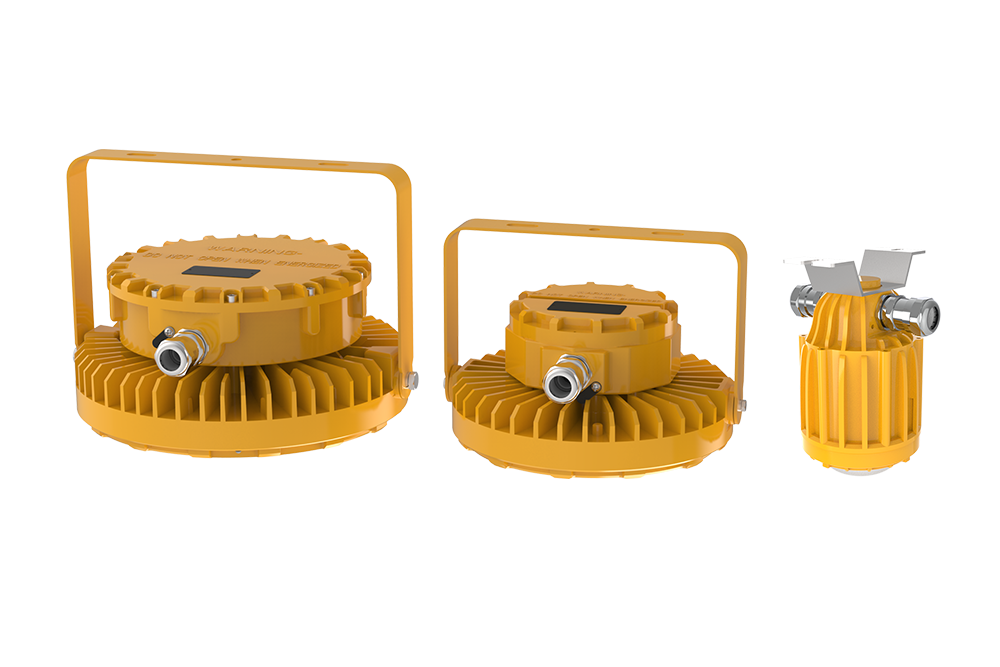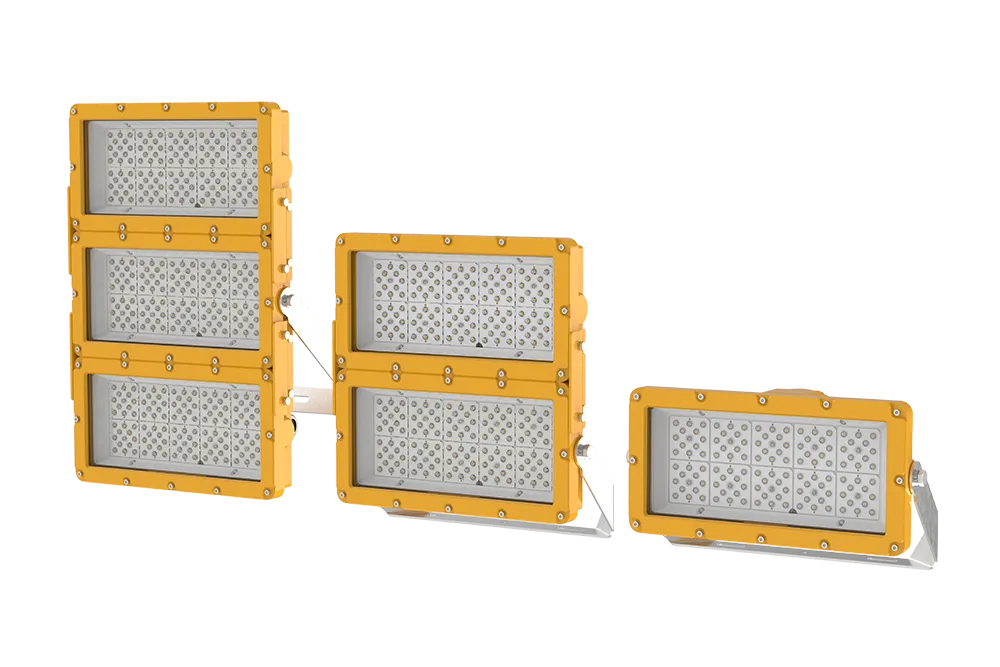
Embarking the following composition considers all systems regarding intrinsically safe units through production settings.
Conducting dependably inside challenging regions including processing sites necessitates select machinery to ward off likely disasters. Fire-secure luminaires are necessary parts in related sites, produced to survive sparks, explosive vapors, and ignitable atmospheres. All devices are never naturally safe; alternatively they are constructed to restrain any embedded spark or glimmer and stop it from initiating a augmented detonation in the vicinal environment. This presentation discloses key insights about explosion-proof units, their purposes, and hazard prevention elements for setting up them accurately.
Learning Explosion Proof Lighting Standards
Handling particular flammability-rated lighting standards can be complicated, especially inside workplaces operating in hazardous settings. These directives – often linked to international bodies among the National Electrical Commission (NEC), ATEX (Europe), and IEC – enforce precise design and setup processes to curb the likelihood of fire outbreaks from lighting devices. Understanding aforementioned standards is paramount for ensuring operator safety and meeting with official obligations.
Light Emitting Diode Blast Resistant Lighting Systems: Capability & Defense
Crystal-Based hazard-resistant illumination sources deliver a notable boost over former fluorescent devices in atmospheres where explosive chemicals are available. These strong instruments both furnish excellent energy management, causing minimized running costs, but more importantly guarantee a higher scale of defense by halting the probability of combustion resulting from arc arc}.
Ex Perilous Setting Hazardous Proof Detonation Flame Flashpoint Resistant} Devices : A Comprehensive Overview
Explosive Unsafe Zone Perilous Proof} Systems are distinctively built lighting systems built to behave safely within likely flammable fields. These hardy fixtures avoid sparks, heat and current sparks from provoking a significant explosion. They usually incorporate tailored designs, involving like tight housings and naturally safe electrical items to provide safety regulations in markets like oil & flammable gas processing, manufacturing plants, earthworks operations, and medication production.
Appointing the Suitable Detonation-Safe Sources for Dangerous Environments
Determining the perfect explosion-proof devices for a intended regulated area requires in-depth scrutiny. Parameters such as the class (e.g., Category I, II, or III and partitions 0) have to be meticulously assessed to establish compliance with appropriate safeguarding standards. In addition to the precinct's typical perils, ponder atmospheric situations, consisting of heat and wetness, to choose a sturdy and protected fix. Systematically consult a licensed advisor to direct your resolution.
Locations Where Are Found Explosion Proof Lights?
Explosion-proof frequently referred to as intrinsically safe|hazardous location|Class-rated} lighting apparatus are strictly needed in specific areas where ignitable emissions or pollutants could can create a dangerous atmosphere. This usually includes processing conversion plants, coating application areas, wood handling facilities, and effluent treatment plants. Regulations, such as those from ANSI and UL, order their fitting in these sectors to deter the risk of ignition and ensure safety integrity.
Benefits of Light Emitting Diode in Hazardous Location Fixtures
Changing to Solid-State Lighting technology for hazardous location fixtures offers a considerable quantity of advantages. First, light emitting diodes boast a much longer operating life compared to traditional incandescent emitters, reducing overhaul expenditures and stoppages. They are also fundamentally safer, producing diminished thermal energy which minimizes the exposure of arcing in volatile atmospheres. Besides, solid-state lights are increasingly energy efficient, leading to diminished voltage use charges and a reduced sustainable imprint. Finally, the hardy build of LED components bears the severe surroundings typical of ignition-resistant areas.
- Increased Lifespan
- Curtailed Repair Costs
- Heightened Risk Management
- Lower Current Costs
- Heightened Toughness
Preserving and Testing Explosion Proof Lighting Systems
Scheduled adjustment and complete examination of detonation-proof lighting installations are importantly vital for preserving hazard control and preventing potential perils. This includes a regular review of all items, such as illumination units, piping, electric cables, and connected wire boxes. In particular, examine for corrosion, fabric deterioration, and proper electrical grounding. Also, confirm that collective labels are clear and that the light units satisfies pertinent requirements.
- Conduct observable reviews.
- Review wire terminations.
- Substantiate explosion protection.
Prospective Developments of Explosion Proof Lighting Technology
Transforming landscape of explosion-proof units technology promises a substantial shift from traditional designs. Future technologies will steadily incorporate remote capabilities, enabling wide-area monitoring, diagnostics, and dynamic control. We foresee a increasing adoption of electroluminescent technology, not only for its basic energy efficiency, but led explosion proof lighting also its competence to facilitate mounted sensors for detecting dangerous conditions. Moreover, materials investigation is propelling innovations in hardy container materials, allowing for slimmer and enhanced designs, while upholding the compulsory levels of defense.
- Boosted battery life for flexible applications.
- Consolidation with forecasting maintenance networks.
- Implementation of carefree lens arrangements.