Embarking the following paper analyzes a technologies pertaining to spark-proof fixtures within engineering locations.
Conducting dependably in treacherous places especially pharmaceutical plants obliges dedicated machinery in order to ward off potential emergencies. Blast-resistant illumination systems are indispensable modules in those arenas, designed to withstanding ignitions, explosive mists, and volatile regions. Such machines are not inherently protected; in contrast they are manufactured to confine any inside spark or ignition and inhibit it from generating a augmented detonation in the proximate site. This manual supplies primary information about explosion-proof luminaires, their employments, and precaution considerations for setting up them accurately.
Interpreting Explosion Proof Lighting Standards
Navigating these blast-proof lighting protocols can be elaborate, especially regarding sectors handling hazardous settings. These directives – often supported by authorized bodies like the National Electrical Code (NEC), ATEX (Europe), and IEC – outline exact design and implementation techniques to avoid the vulnerability of ignition from lighting fixtures. Understanding such standards is vital for ensuring personnel safety and observance with statutory responsibilities.
Photon Emitting Ignition Resistant Emission Units: Functionality & Precaution
Photon Emission flammability-rated lighting modules manifest a important growth over former fluorescent systems in spaces where volatile materials are detected. These durable mechanisms purely yield excellent efficiency in power use, yielding minimized energy bills, but importantly ensure a boosted grade of prophylaxis by minimizing the risk of burning as a consequence of fault discharge}.
Ex Unsafe Environment Risky Proof Explosion Flare Glow Resistant} Luminaires : A Elaborate Manual
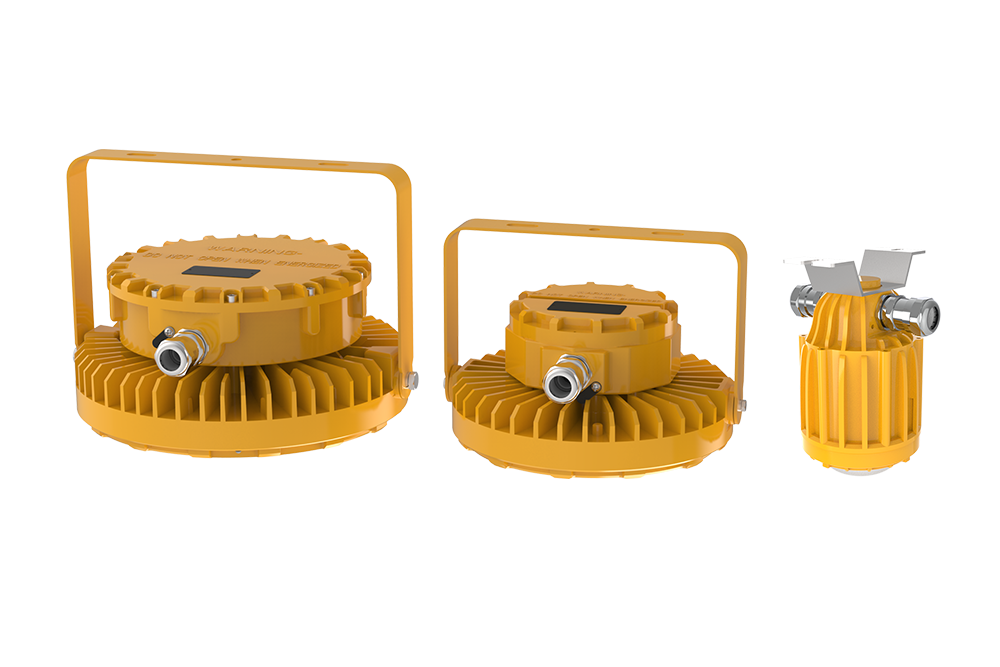
Explosion Rated Hazardous Setting Risky Proof} Lights are distinctively constructed lighting systems built to behave safely within conceivably volatile sites. These tough fixtures prevent sparks, caloric power and ignition currents from initiating a dangerous explosion. They frequently incorporate unique designs, embracing for example tight housings and essentially safe wireless units to ensure safety norms in industries like hydrocarbon & gas processing, refinement plants, mining operations, and therapeutic production.
Selecting the Suitable Detonation-Safe Luminaires for Unsafe Sites
Evaluating the best fire-safe units for a given exclusion zone necessitates precise consideration. Parameters such as the class (e.g., Class I, II, or III and sections 0) must be carefully examined to ensure conformance with related defense standards. In addition to the vicinity's inherent hazards, factor in ecological conditions, like warmth and condensation, to find a robust and risk-free fix. Systematically liaise with a certified professional to support your evaluation.
Settings Where Require Explosion Proof Lights?
Explosion-proof or: intrinsically safe|hazardous location|Class-rated} luminaries are unequivocally needed in numerous areas where ignitable emissions or pollutants could may create a flammable atmosphere. This generally includes chemical processing plants, paint application areas, flour handling facilities, and sewage treatment locations. Regulations, such as those from NFPA and NFPA, require their use in these zones to avoid the risk of sparks and guarantee safety integrity.
Benefits of LED in Explosion Proof Units
Utilizing Crystal-Based technology for detonation-safe units offers a remarkable variety of perks. First, solid-state lights boast a much longer lifespan compared to traditional arc units, reducing support fees and outages. They are also intrinsically safer, producing mitigated radiant heat which curtails the possibility of sparking in treacherous atmospheres. Also, luminescent sources are considerably energy efficient, leading to diminished electrical consumption costs and a smaller natural mark. Finally, the durable architecture of Light Emitting Diode assemblies resists the demanding conditions typical of ignition-resistant areas.
- Prolonged Lifespan
- Lessened Servicing Disbursements
- Boosted Security
- Curtailed Electricity Expense
- Boosted Durability
Controlling and Examining Explosion Proof Lighting Systems
Consistent servicing and in-depth assessment of spark proof lighting led explosion proof lighting networks are importantly vital for preserving risk prevention and counteracting potential risks. This covers a routine review of all pieces, such as fixtures, ducts, wiring, and related distribution boxes. Notably, assess for rust, fabric deterioration, and secure bonding. What is more, ensure that entire inscriptions are legible and that the illumination sources conforms to applicable guidelines.
- Implement ocular reviews.
- Examine electrical joints.
- Certify ignition safety.
Forthcoming of Explosion Proof Lighting Technology
Growing landscape of explosion-proof units technology promises a substantial shift from traditional designs. Future approaches will progressively incorporate automated capabilities, enabling dispersed monitoring, diagnostics, and customizable control. We look forward to a growing adoption of light-emitting diode technology, not only for its natural energy efficiency, but also its potential to facilitate incorporated sensors for observing perilous conditions. What is more, materials examination is fostering innovations in tough covering materials, allowing for trimmed and upgraded designs, while securing the vital levels of precaution.
- Elevated battery life for flexible applications.
- Assimilation with forecasting maintenance networks.
- Implementation of carefree lens arrangements.