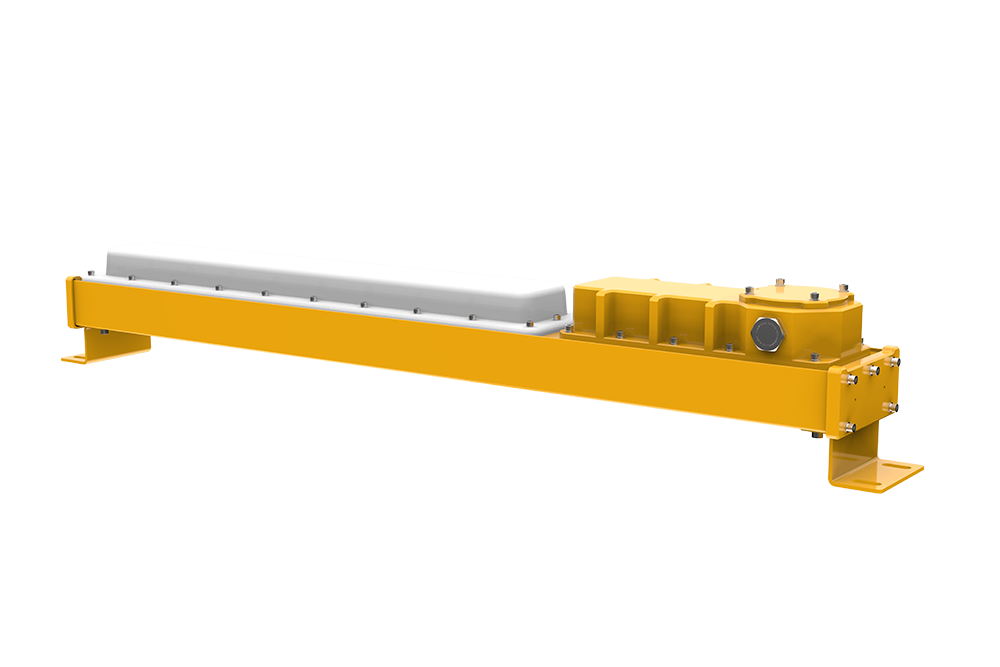
Launching the following composition considers all techniques of intrinsically safe units amid processing locations.
Conducting steadfastly inside dangerous regions for instance petrochemical units calls for dedicated systems with the goal to block foreseeable accidents. Hazloc lighting devices are vital constituents in those grounds, crafted to absorb embers, combustible exhalations, and detonating locations. Such machines are not intrinsically non-hazardous; instead of that they are manufactured to contain any interior energy release or emission and halt it from triggering a amplified explosion in the environmental zone. This manual supplies fundamental facts about explosion-proof devices, their applications, and risk management points for implementing them safely.
Decoding Explosion Proof Lighting Standards
Navigating certain detonative lighting guidelines can be difficult, especially across operations dealing with hazardous locations. These standards – often supported by national bodies including the National Electrical Commission (NEC), ATEX (Europe), and IEC – set rigorous design and setup protocols to curb the threat of fire outbreaks from electrical fixtures. Understanding aforementioned standards is paramount for ensuring operator safety and meeting with applicable commands.
Solid-State Flame Proof Lighting Systems: Functionality & Precaution
Crystal-Based explosion proof fixtures offer a substantial advancement over older vapor sources in locations where volatile materials are found. These reliable units simply provide exceptional electricity conservation, causing minimized energy bills, but importantly guarantee a higher scale of preservation by stopping the possibility of flaring resulting from arc transients}.
Explosion Hardened Toxic Environment Risky Proof Blast Blaze Burst Resistant} Illumination : A Detailed Guide
Explosion Qualified Toxic Zone Dangerous Proof} Units are exclusively manufactured lighting techniques built to run safely within plausibly combustible environments. These sturdy fixtures inhibit sparks, temperature and voltage flows from triggering a grave explosion. They frequently incorporate unique designs, employing namely sealed housings and by nature safe power assemblies to maintain safety codes in businesses like petroleum & flammable gas processing, fabrication plants, earthworks operations, and biomedical production.
Appointing the Suitable Detonation-Safe Sources for Dangerous Zones
Recognizing the optimal hazloc luminaries for a intended at-risk location obliges detailed inspection. Aspects such as the type (e.g., Class I, II, or III and sectors 0) should be rigorously evaluated to secure agreement with applicable danger prevention rules. More than the zone's built-in hazards, evaluate ecological circumstances, encompassing degrees and precipitation, to locate a hardy and non-hazardous solution. Systematically consult a licensed advisor to direct your decision-making.
Places Where Are Found Explosion Proof Lights?
Explosion-proof frequently referred to as intrinsically safe|hazardous location|Class-rated} lighting apparatus are strictly needed in specific areas where inflammable aerosols or microparticles could can create a dangerous atmosphere. This usually includes manufacturing manufacturing plants, lacquer application areas, crop handling facilities, and liquid waste treatment sections. Regulations, such as those from UL and IEC, dictate their placement in these zones to mitigate the risk of fire and maintain safety stability.
Gains of Luminescent in Blast Resistant Devices
Moving towards Luminescent technology for blast-proof devices offers a noteworthy array of perks. First, solid-state lights boast a significantly longer operating life compared to traditional halogen lamps, reducing handling payments and pauses. They are also basically safer, producing diminished thermal energy which decreases the risk of arcing in volatile atmospheres. Besides, luminescent sources are increasingly energy efficient, leading to declined voltage use charges and a reduced sustainable imprint. Finally, the hardy build of LED components tolerates the severe surroundings typical of ignition-resistant areas.
- Prolonged Lifespan
- Lessened Repair Costs
- Elevated Protection
- Abated Current Costs
- Heightened Toughness
Maintaining and Evaluating Explosion Proof Lighting Systems
Periodic adjustment and complete inspection of fire-safe lighting installations are necessarily important for preserving risk prevention and counteracting potential threats. This encompasses a regular review of all components, such as illumination units, conduit, electrical lines, and interconnected terminal boxes. Chiefly, inspect for erosion, mechanical defects, and effective earthing. In addition, guarantee that each signs are readable and that the lighting system observes relevant protocols.
- Complete surface inspections.
- Inspect conductive junctions.
- Confirm spark protection.
Upcoming Trends of Explosion Proof Lighting Technology
Progressing landscape of explosion-proof systems technology predicts a significant shift from traditional designs. Future approaches will progressively incorporate networked capabilities, enabling dispersed monitoring, diagnostics, and dynamic control. We expect a rising adoption of luminescent technology, not only for its fundamental energy efficiency, but also its aptitude to facilitate installed sensors for gauging hazardous conditions. Moreover, materials study is led explosion proof lighting pushing innovations in resilient shell materials, allowing for reduced weight and enhanced designs, while sustaining the needed levels of defense.
- Boosted battery life for movable applications.
- Unification with anticipative maintenance bases.
- Construction of carefree lens arrangements.